
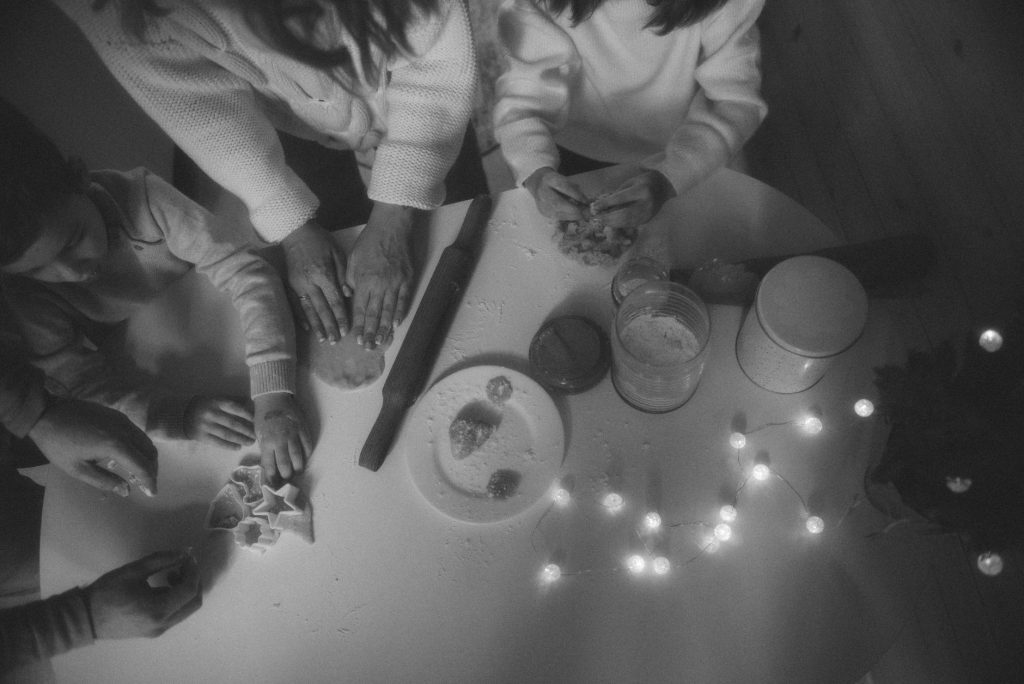
Old family recipes are often treated as sentimental keepsakes, but they do more than preserve a taste from the past. They reveal how people lived, what they could afford, which ingredients were available, and how they adapted to change. A faded card for lentil soup or handwritten notes beside a cake recipe can say as much about a household as an old photograph.
Food also carries memory in a practical way. A recipe passed from grandmother to grandchild may have been adjusted for different kitchens, tighter budgets, or busier lives, yet it still holds traces of the original cook’s habits and values. The ingredients, measurements, and even the phrasing can hint at migration, resilience, celebration, and the everyday routines that shaped a family.
Recipes as family records
Before social media and smartphones, recipe cards, notebooks, and clipped newspaper pages served as small domestic archives. They were rarely neat or complete. Someone might write “a little of this” or “until it feels right,” assuming the next cook already knew the method. That informality is revealing. It suggests a household where cooking skills were learned by watching rather than following strict instructions.
These recipes can also show who did the cooking. In many families, the same name appears again and again in the margins: a mother, aunt, or grandmother who kept the kitchen running. Sometimes a recipe includes a note such as “for Sunday” or “for guests only,” which hints at how food was divided between everyday meals and special occasions. Even the paper itself matters. A recipe scribbled on the back of a utility bill or school form points to an era when nothing was wasted.
Old recipe collections often reveal practical priorities. Instead of elegant presentation, the focus may be on feeding many people quickly and economically. That tells its own story about family life, especially in homes where time, money, and ingredients had to stretch.
What ingredients say about a household
The ingredients in a family recipe can reflect geography, class, religion, and migration. A pastry made with lard rather than butter may suggest a rural kitchen or a time when butter was expensive. A soup built around beans, cabbage, or potatoes often points to thrift and seasonality. Dried herbs, preserved fruit, and salted fish hint at a world before year-round supermarkets made fresh produce available at all times.
Some recipes preserve the fingerprints of migration especially well. A family that moved from southern Italy to New York, for instance, might keep a tomato sauce recipe that originally used a few simple ingredients but later gained garlic, sugar, or canned tomatoes as pantry staples changed. Similarly, a cake recipe brought from Eastern Europe may be adapted over time to use baking powder or a different type of flour than the cook had used before. These small adjustments show how families kept familiar food alive while making it fit a new place.
Ingredient lists can also reveal the influence of trade and travel. Vanilla, cinnamon, cocoa, and rice were not always everyday items in every home. Their appearance in a recipe may point to a family with wider access to markets or a taste for celebration foods. At the same time, the absence of such ingredients can be just as meaningful, showing a diet built on local crops and careful planning.
Techniques passed down by hand
Cooking methods are often the most intimate part of a family recipe because they capture the feel of a kitchen, not just its ingredients. A recipe that says “knead until smooth” or “fry until golden” depends on touch, sight, and experience. Those instructions assume a cook who has learned by repetition and observation, not by measuring everything with laboratory precision.
Many older recipes depend on cues that modern cooks sometimes find vague. “A walnut-sized piece of dough” or “two handfuls of greens” may sound imprecise, yet these directions were practical in kitchens where tools varied from house to house. They also show trust in the cook’s judgment. That trust was part of family teaching. A child standing beside an older relative might learn not only a dish, but a way of paying attention.
Techniques can also reveal the pace of a household. Slow simmering, pickling, drying, and fermenting suggest kitchens that worked with time rather than convenience. In some families, making jam, bread, or stock was a seasonal ritual tied to the harvest or to weekend routines. These methods often required cooperation, with one person peeling fruit while another sterilized jars or stirred a heavy pot. The recipe becomes evidence of shared labor as much as shared taste.
Special occasions and everyday comfort
Some recipes were reserved for weddings, holidays, and religious festivals, while others anchored ordinary days. The contrast between the two can be striking. A family might serve a lavish layered cake once a year, yet rely on a simple stew or tray bake every week. That balance tells you what mattered most: celebration had its place, but so did consistency and nourishment.
Festive recipes often carry the strongest emotional weight because they mark the moments families remember most clearly. A handwritten note beside a pan of roast meat, a cookie recipe made every December, or a dish prepared for a baptism can hold layers of meaning beyond flavor. These foods were linked to gatherings, gifts, and the feeling of being cared for. Even years later, one bite can bring back a table full of relatives and the noise of a crowded room.
Everyday recipes are just as revealing, though less glamorous. A plain rice pudding, a vegetable soup, or a pan of cornbread may show how a family turned modest ingredients into comfort. These dishes often changed very little over time because they were reliable. Their endurance suggests a household that valued steadiness and knew how to make limited resources feel abundant.
The marks left by movement and adaptation
Family recipes often change as they move from one generation to the next, and those changes are part of the story. A recipe may shift because a cook can no longer find a particular herb, because the family has moved to a different climate, or because younger relatives prefer a lighter version. These changes are not signs of loss alone. They show that a recipe is alive, shaped by the people who keep making it.
In immigrant families, adaptation can be especially visible. A dish rooted in one country may become a hybrid in another, using local ingredients and new appliances. For example, a hand-ground spice paste may be replaced by a blender, or fresh dough may give way to store-bought pastry sheets on busy weekdays. The result may taste different from the original, but it still carries the structure of family memory.
Even within one generation, recipes evolve. Someone might reduce sugar, substitute oil for butter, or add more vegetables than the original version called for. These edits reveal changing ideas about health, budget, and convenience. They also show how family recipes survive not by staying frozen, but by being revised in ways that still feel recognizably theirs.
What the handwriting and notes reveal
The words around a recipe can be as telling as the recipe itself. A stain on the page suggests a card that was used often. A smudged ingredient or crossed-out instruction points to trial and error in a working kitchen. Notes like “too dry,” “ask Aunt Lena,” or “better with less sugar” capture a conversation across time. They show a cook thinking not just about the present meal, but about the next person who will use the recipe.
Handwriting also carries personality. Some people write in careful block letters, while others crowd everything into the smallest available space. One relative may copy recipes with obsessive precision, while another adds comments in the margins. Those habits reflect temperament as much as cooking style. A tidy page might belong to someone who liked order; a crowded one may belong to a cook who trusted memory more than paper.
Sometimes the notes reveal silence as well. A recipe copied without attribution may indicate that its origin was so familiar no one felt the need to name it. In other cases, a missing measurement or torn corner leaves a gap that later generations have to fill in. That incompleteness can be frustrating, but it also makes the recipe feel human. It reminds us that family cooking was never only about ingredients. It was about the people who made do, taught each other, argued over methods, and kept dinner on the table.