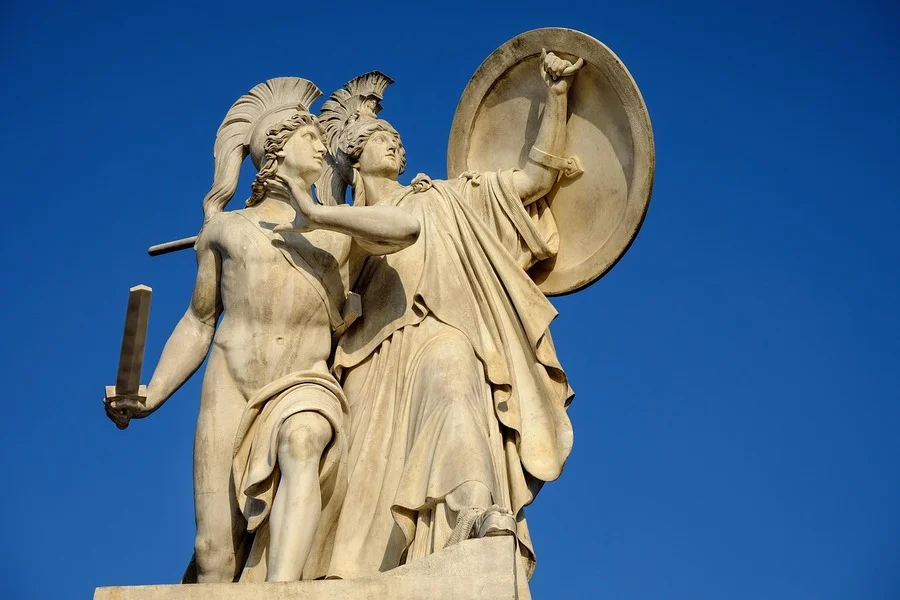
In many ancient stories, power is often associated with physical dominance or the ability to command others without question. Yet the figures who truly maintain authority over time are rarely those who rely on force alone. They understand that leadership involves responsibility as much as control. When authority is exercised without restraint, it creates fear rather than respect, and fear eventually breeds resistance.
Modern leaders face a similar reality. A position of power may grant decision-making ability, but it does not automatically inspire loyalty. People respond more positively to leaders who demonstrate consistency, fairness, and accountability. Authority that feels arbitrary or self-serving weakens trust, while authority grounded in purpose strengthens it. True leadership emerges not from the ability to dominate, but from the ability to guide without crushing those being led.
Wisdom Often Outperforms Impulse
Stories of powerful rulers frequently highlight the consequences of acting on anger, pride, or jealousy. Impulsive decisions may deliver short-term victories, but they tend to create long-term complications. Leaders who react emotionally rather than thoughtfully can destabilize entire systems, whether in mythological kingdoms or modern organizations.
In contrast, figures known for wisdom rely on patience and careful judgment. They gather information, consider different perspectives, and anticipate outcomes before acting. In contemporary settings, this approach translates into strategic thinking, consultation with experts, and openness to feedback. Wisdom is not simply knowledge; it is the ability to apply knowledge at the right moment.
Calm decision-making also sets the emotional tone for everyone else. When leaders remain composed during crises, they signal stability. Panic at the top spreads quickly downward, but so does confidence grounded in thoughtful action.
Pride Can Be a Leader’s Greatest Weakness
Ambition and confidence are often necessary for leadership, yet they can easily slide into arrogance. Many powerful figures in traditional narratives fall not because they lack strength, but because they overestimate their invulnerability. Pride blinds them to warnings, alienates allies, and pushes them toward unnecessary conflict.
Modern leaders encounter the same danger. Success can create an illusion of infallibility, making it difficult to accept criticism or admit mistakes. However, humility does not weaken authority; it strengthens credibility. A leader who acknowledges limitations demonstrates self-awareness and invites collaboration. This openness encourages others to contribute ideas rather than simply comply.
Organizations led by overly proud individuals often become fragile because dissenting voices disappear. Without honest feedback, problems remain hidden until they become crises. In contrast, leaders who remain grounded create environments where concerns can be raised early and addressed constructively.
The Importance of Fairness and Balance
Power that favors certain groups while neglecting others inevitably creates tension. In many tales, conflicts arise when authority is used to reward loyalty unfairly or to punish perceived slights disproportionately. Stability depends on balance — the perception that rules apply equally and decisions serve a broader purpose rather than personal preference.
In contemporary leadership, fairness translates into transparent processes, consistent standards, and equitable treatment. Employees, citizens, or team members do not expect perfection, but they do expect impartiality. When people believe they are treated justly, they are more willing to accept difficult decisions.
Balance also involves recognizing competing needs. A leader must consider both immediate outcomes and long-term consequences, individual welfare and collective goals. Navigating these tensions requires empathy as well as analytical thinking.
Influence Often Matters More Than Control
Commanding obedience may produce quick results, but influence creates lasting commitment. Many powerful figures maintain authority not by issuing constant orders, but by inspiring admiration, loyalty, or shared identity. Influence works subtly, shaping behavior without the need for coercion.
Modern leadership increasingly relies on this principle. In workplaces where creativity and initiative are essential, strict control can stifle innovation. Leaders who communicate a clear vision and model desired behavior encourage voluntary engagement. People are more motivated when they feel part of something meaningful rather than merely subject to supervision.
Influence also extends beyond formal hierarchy. Individuals without official titles can become leaders through expertise, integrity, or charisma. Recognizing and supporting these informal leaders strengthens the entire group.
Conflict Is Inevitable, but It Can Be Managed
Stories involving powerful figures are rarely free of rivalry. Competition, disagreements, and alliances shifting over time are recurring themes. What distinguishes effective leaders is not the absence of conflict but the ability to manage it without allowing it to spiral into destruction.
Avoiding conflict entirely can allow resentment to build, while confronting it aggressively can escalate tensions. Skilled leaders seek resolution rather than victory. They listen to opposing viewpoints, negotiate compromises when possible, and establish boundaries when necessary. This approach preserves relationships even when disagreements persist.
In modern organizations, unresolved conflict reduces productivity and morale. Addressing issues openly and constructively prevents small disputes from becoming divisive crises.
Legacy Is Built Through Actions, Not Titles
Power can be temporary, but reputation endures. Many figures remembered across centuries are not those who simply held authority, but those whose actions shaped the lives of others in meaningful ways. Leadership ultimately becomes defined by impact rather than position.
Today, this idea translates into the concept of legacy. Leaders influence not only current outcomes but also future culture. Decisions about ethics, treatment of people, and long-term vision determine how an organization or community evolves after the leader’s tenure ends.
A focus on legacy encourages responsible behavior. It shifts attention from short-term gains to sustainable progress, from personal success to collective well-being. Leaders who consider how they will be remembered are more likely to act with integrity.
Power, in any era, carries both opportunity and risk. The lessons embedded in ancient narratives remain relevant because they reflect enduring truths about human behavior. Strength without wisdom breeds instability, pride invites downfall, fairness builds trust, and influence outlasts control.
Modern leadership does not require mythic abilities, but it does demand awareness of these timeless dynamics. By balancing authority with humility, decisiveness with reflection, and ambition with responsibility, leaders can create environments where power serves a constructive purpose rather than becoming an end in itself.
In doing so, they transform leadership from a position into a practice — one defined not by how much control they hold, but by how wisely they use it.
