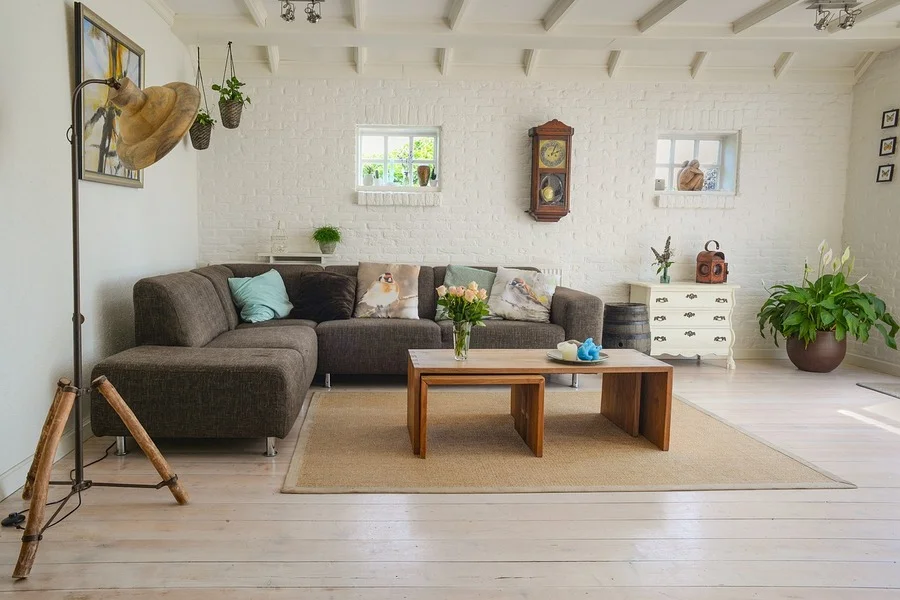
A home should feel different from every other place you pass through during the day. It is not simply a shelter or a storage space for belongings, but an environment that shapes mood, energy, and peace of mind. The transformation into a place of comfort begins right at the entrance. When the first impression is calm rather than chaotic, the entire space feels more welcoming.
Simple adjustments can make a significant difference. Clearing clutter near the doorway, adding warm lighting, or placing something visually pleasant — a plant, a framed photo, or a textured rug — signals that this is a space meant for rest rather than pressure. Even scent plays a role. A subtle natural fragrance, such as citrus or lavender, can instantly soften the mental transition from the outside world to personal space.
Letting Natural Light and Air Refresh the Atmosphere
Few elements influence well-being as strongly as light and fresh air. Rooms filled with natural light tend to feel larger, cleaner, and more uplifting. Opening curtains fully during the day and keeping windows unobstructed allows sunlight to move through the space, reducing the need for harsh artificial lighting.
Fresh air has a similar effect. Even a brief period of ventilation can remove stagnant odors and create a sense of renewal. The movement of air changes how a room feels physically and psychologically, making it easier to relax. If outdoor conditions allow, opening windows in multiple rooms creates gentle airflow that revitalizes the entire home.
In the evening, softer lighting helps signal that the day is winding down. Lamps with warm tones, rather than bright overhead lights, create a more intimate atmosphere that encourages rest.
Choosing Comfort Over Perfection
Many people feel pressure to maintain a home that looks flawless, as if it were ready for a magazine photo shoot. While aesthetics matter, true comfort comes from practicality and ease of use. A sofa that invites you to sit for hours, blankets within reach, and cushions arranged for relaxation contribute far more to well-being than perfectly styled furniture.
Personal preferences should guide these choices. Some people prefer minimal, uncluttered spaces, while others feel comforted by layered textures and decorative objects. The goal is not to follow trends but to create an environment that supports daily life. When a room reflects how you actually live — reading, resting, talking, or listening to music — it becomes naturally inviting.
Incorporating Elements That Connect You to Nature
Bringing natural elements indoors can transform the emotional tone of a home. Plants are the most obvious example, adding color, movement, and a sense of life to otherwise static spaces. Caring for them also introduces a gentle routine that fosters attentiveness.
Natural materials such as wood, cotton, linen, or stone create warmth that synthetic surfaces often lack. Even small details — a wooden tray, ceramic bowls, or woven baskets — can soften the visual atmosphere. If maintaining plants feels challenging, fresh flowers, branches, or dried arrangements can offer similar benefits without long-term care.
Views of the outdoors also matter. Positioning seating areas near windows or creating a small corner where you can watch the sky, trees, or street life helps maintain a connection to the outside world while remaining sheltered.
Designing Spaces for Restorative Activities
Comfort and renewal come not only from appearance but from how a home supports restorative activities. Creating designated areas for specific purposes can encourage healthier habits. A reading chair with good lighting invites quiet reflection. A small table for tea or journaling offers a pause during busy days. A tidy bedroom with minimal distractions promotes deeper sleep.
These zones do not require extra rooms. Even in small homes, rearranging furniture can carve out purposeful corners. The key is to make these spaces easily accessible so that rest becomes the default option rather than an afterthought.
Limiting digital distractions in certain areas can further enhance renewal. Keeping phones away from the bedside or designating screen-free zones helps the mind disconnect from constant stimulation.
Using Sound and Silence Intentionally
Sound shapes the emotional atmosphere of a home just as much as visual elements. Continuous background noise from televisions or devices can create subtle tension, even if it goes unnoticed. Introducing intentional sound — or intentional silence — makes a significant difference.
Soft music, nature sounds, or even the rhythmic hum of a fan can produce a soothing effect. At the same time, allowing periods of quiet gives the brain a chance to rest. Many people rediscover how calming silence can be only when they experience it again after long exposure to noise.
Sound-absorbing materials such as rugs, curtains, and upholstered furniture also contribute to a peaceful environment by reducing echoes and harsh acoustics.
Surrounding Yourself With Meaningful Objects
A home feels restorative when it reflects personal history and identity. Objects that carry meaning — photographs, travel souvenirs, handmade items, or gifts from loved ones — create emotional warmth that generic décor cannot replicate. These items act as visual reminders of experiences, relationships, and achievements.
At the same time, too many objects can produce the opposite effect, making spaces feel crowded and overwhelming. Periodically reassessing what truly matters helps maintain balance. Keeping only items that evoke positive feelings allows each one to stand out and contribute to the overall atmosphere.
Rotating decorations seasonally can also refresh the environment without requiring major changes. Subtle shifts in colors, fabrics, or accessories signal transitions in time and keep the space feeling alive.
Turning a home into a place of comfort and renewal is not about luxury or perfection. It is about creating conditions that support relaxation, emotional recovery, and a sense of belonging. Through light, air, thoughtful arrangement, meaningful objects, and intentional use of sound, any living space can become a refuge from external pressures.
When a home provides genuine rest, its effects extend beyond the walls. People who feel restored in their personal space carry that calm into their daily interactions and responsibilities. In this way, comfort at home becomes not only a private benefit but a foundation for overall well-being, allowing individuals to face the outside world with renewed energy and clarity.
